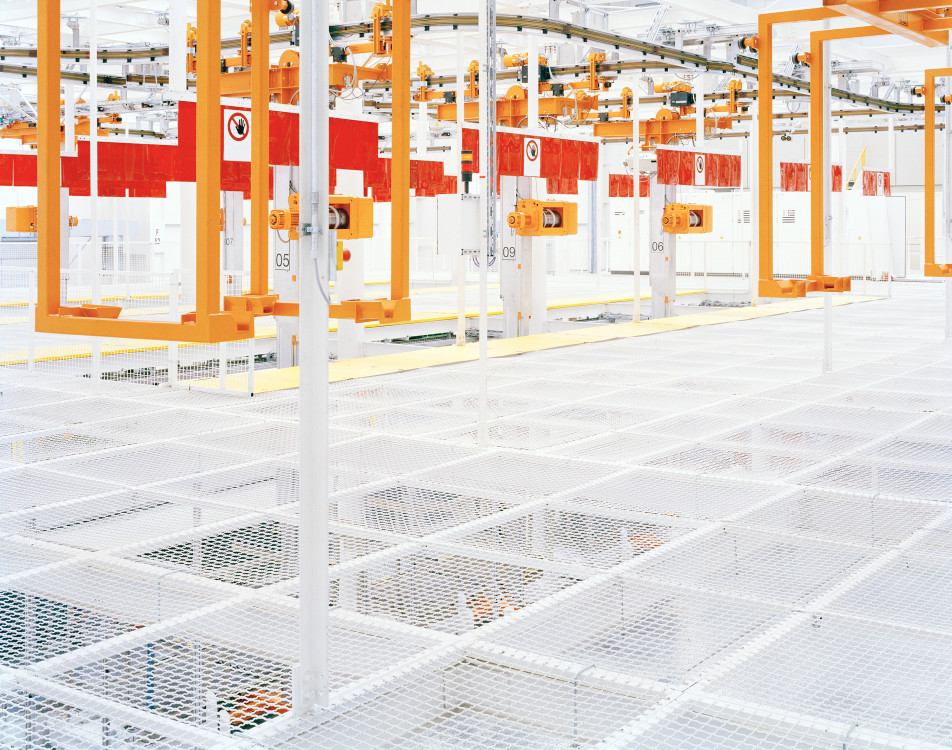
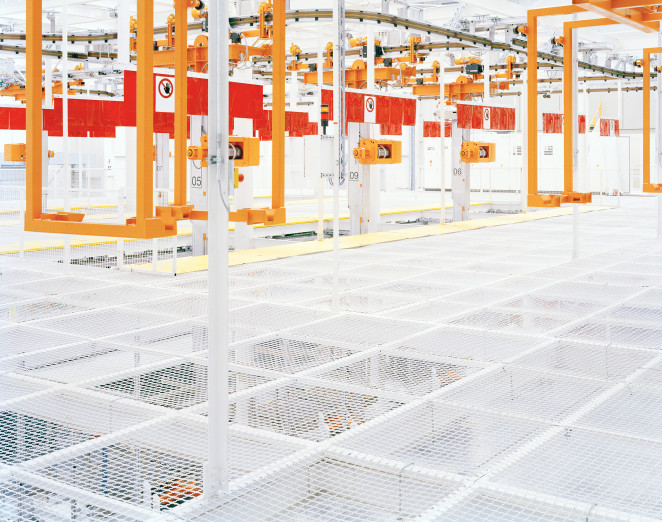
 Logistics, transport system
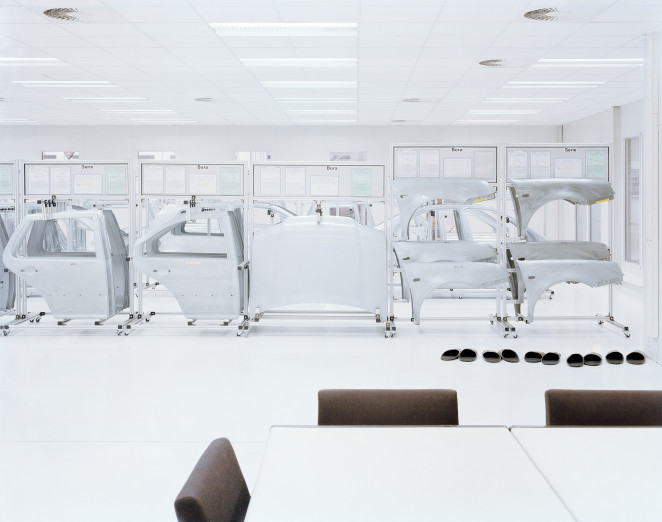 Testing area
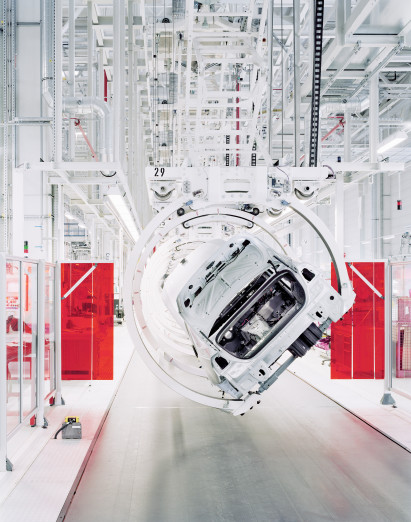 Assembly line
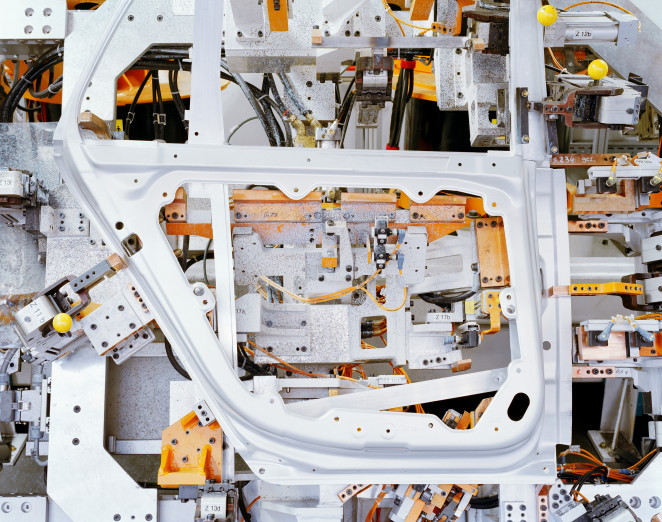 Laser welding
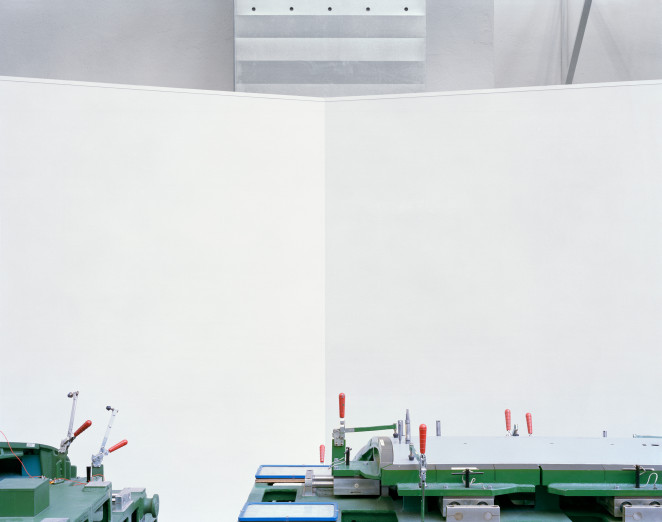 Sheet material, quality control
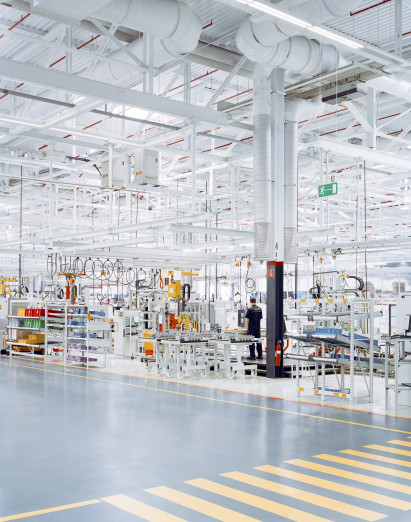 Motor assembly
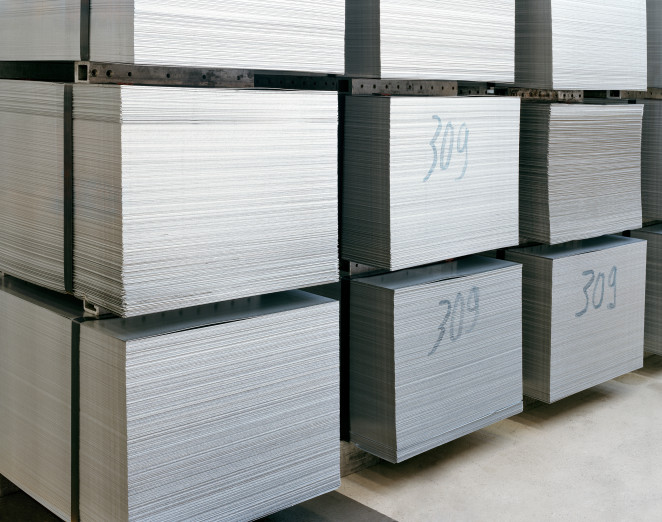 Sheet material
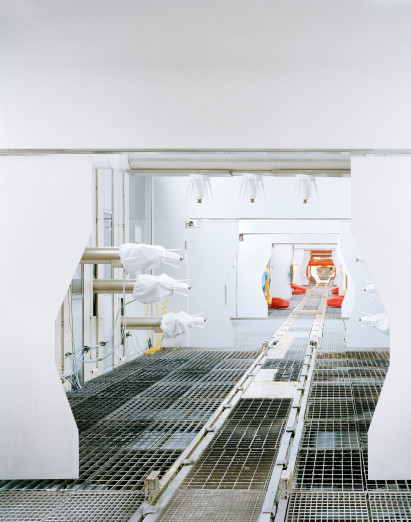 Paint shop
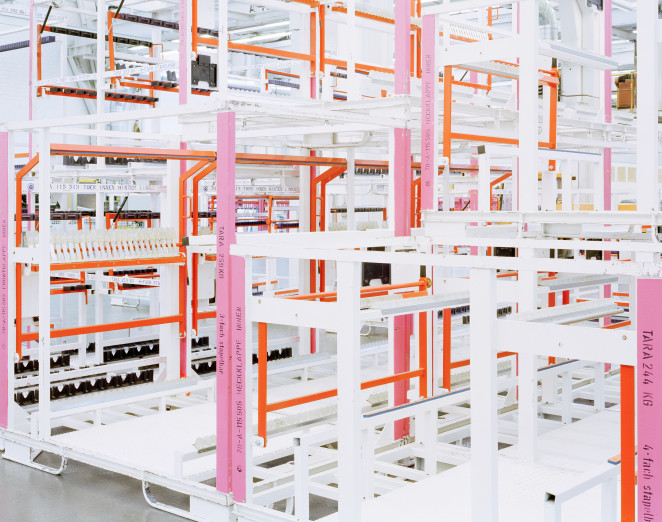 Storage system
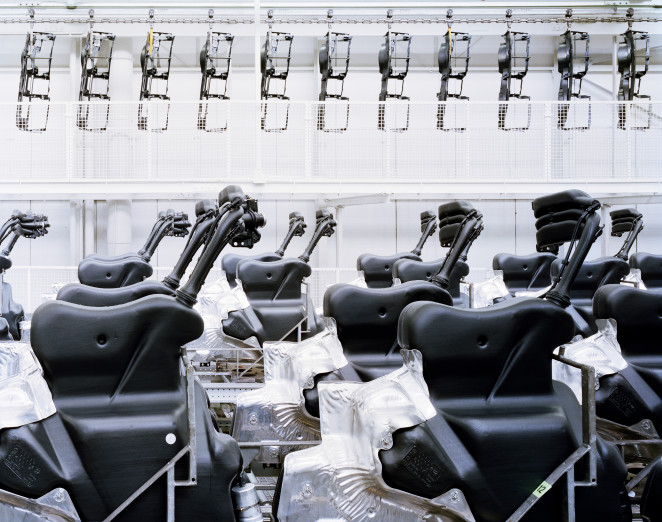 Fuel tanks
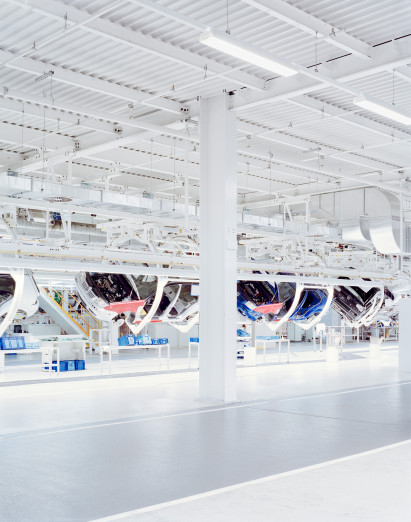 Assembly line
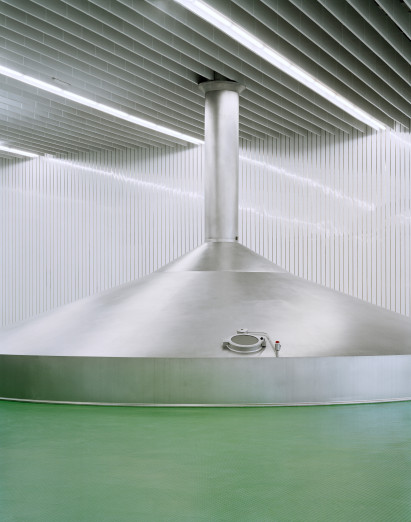 Copper
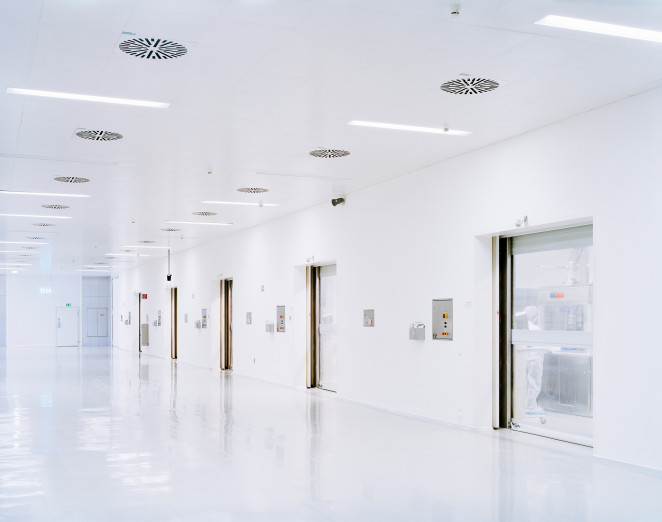 Production of pain killers
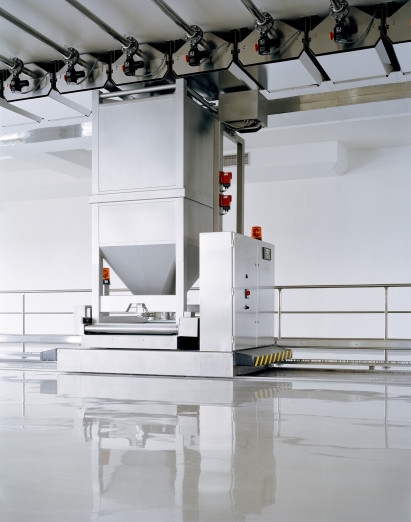 Net weight, production of pain killers
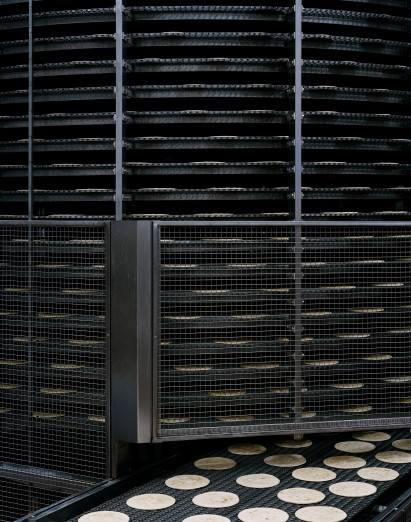 Cooling system, pizza
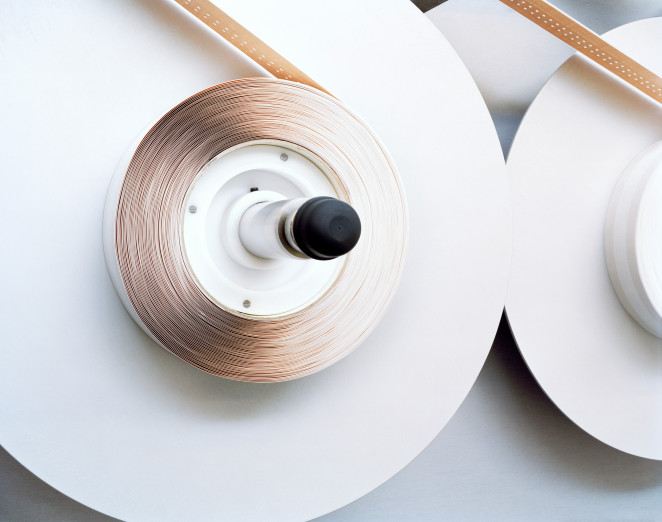 Dressing material
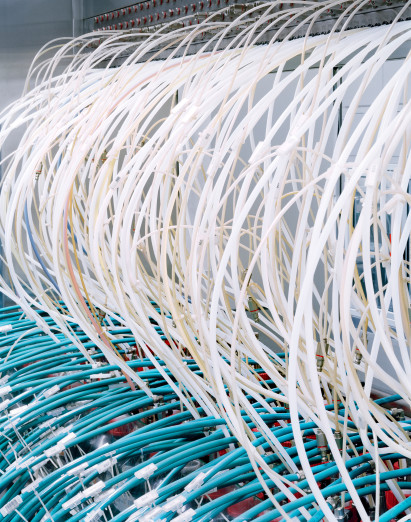 Batcher, aromatic substances
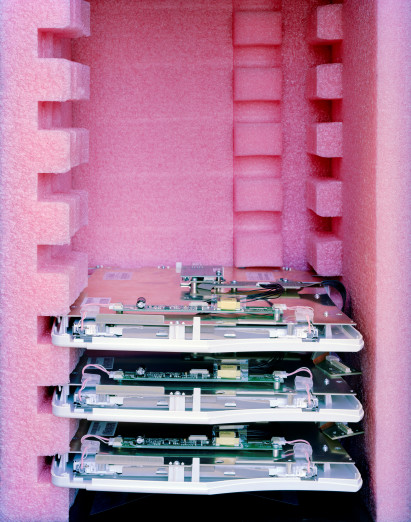 Monitors for medical systems
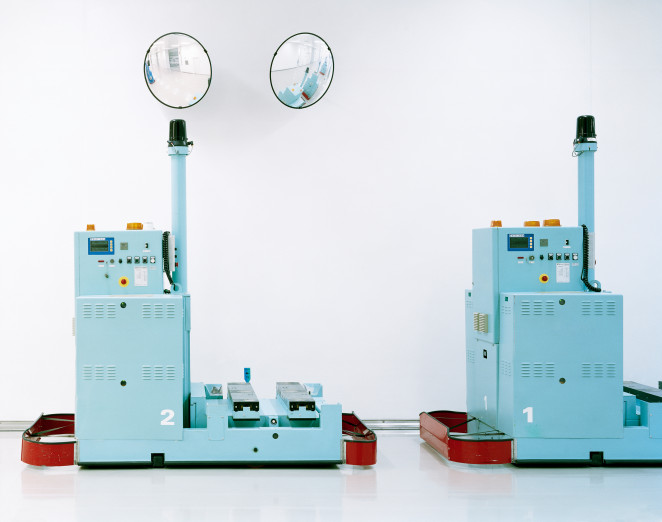 Automatic transport system
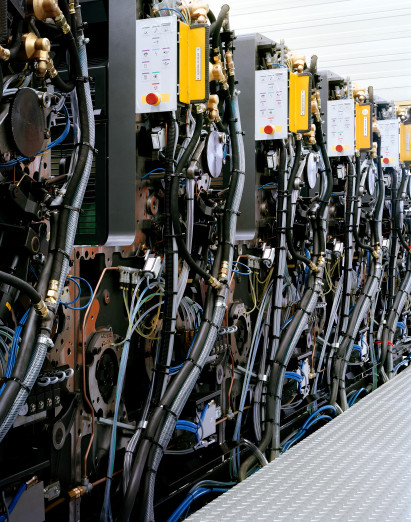 Printing press, assembly
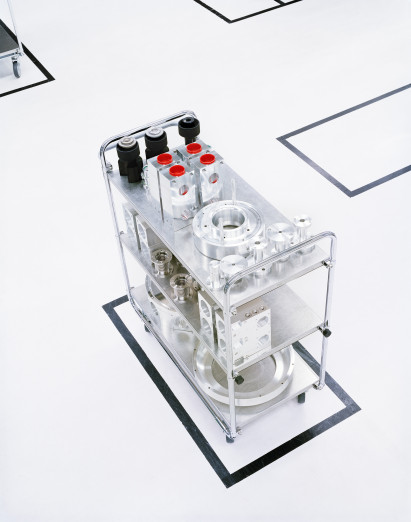 Cleanroom assembly, laser
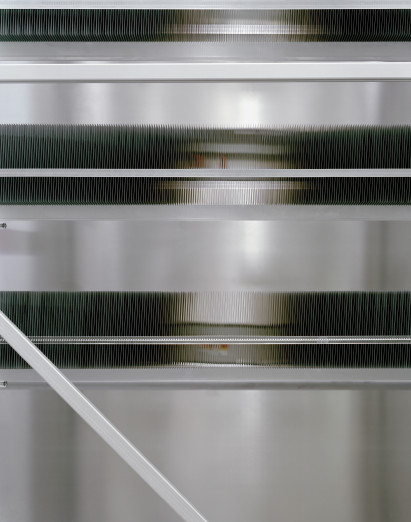 Solar cells
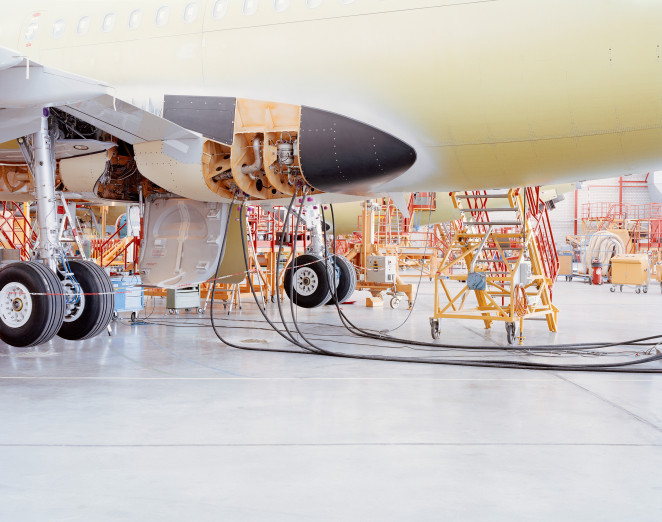 Assembly
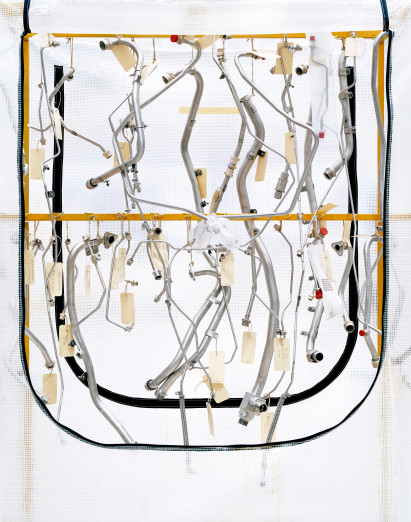 Components for jet engines
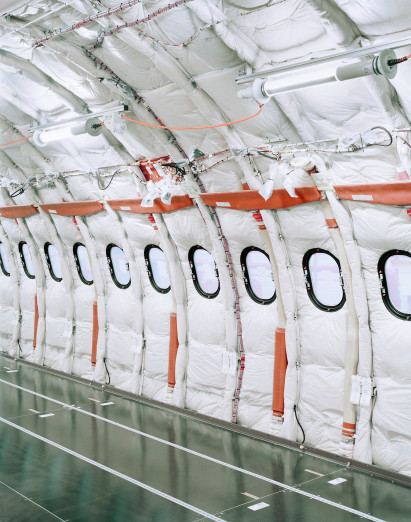 Cabin
Cabin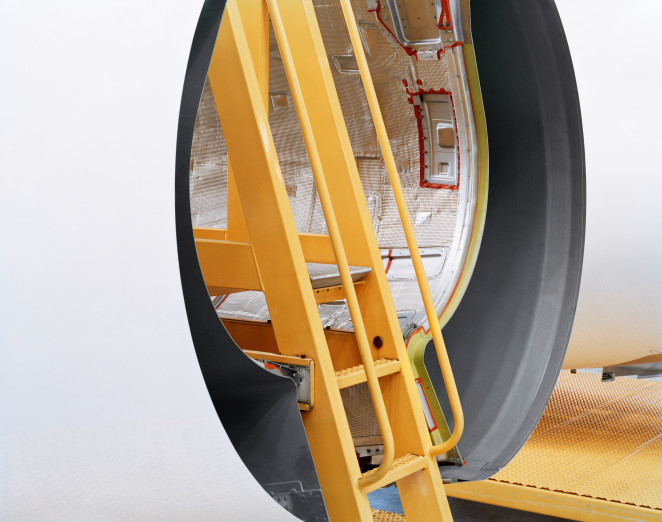 Thrust reversers
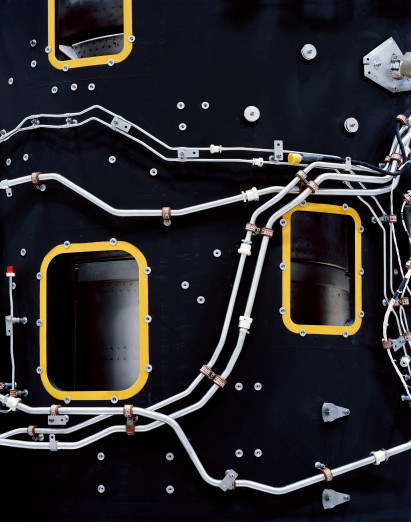 Jet engine, bypass duct housing
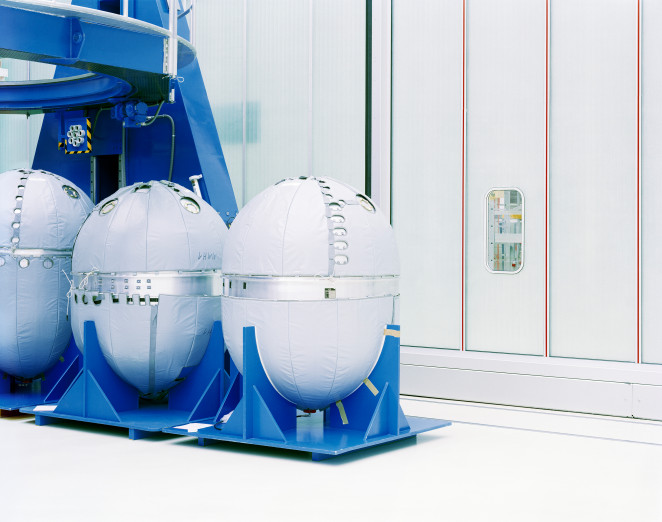 Satellite solar generator
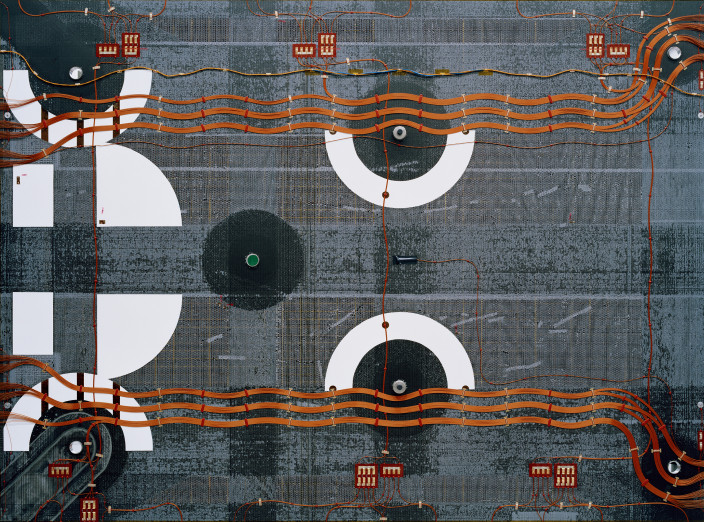 Satellite solar generator
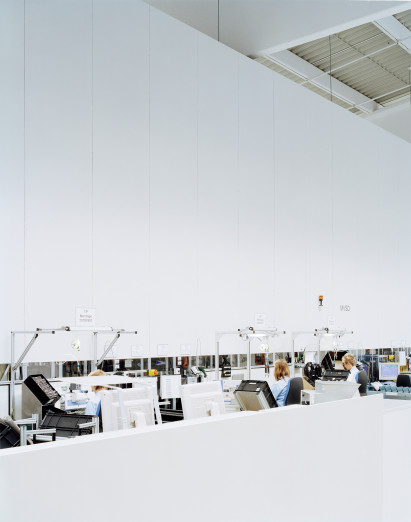 Control unit assembly
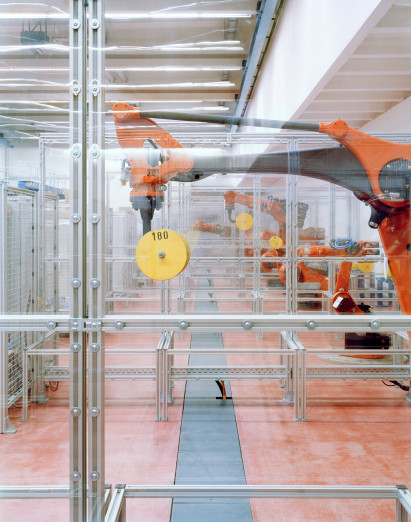 Robotor testing area
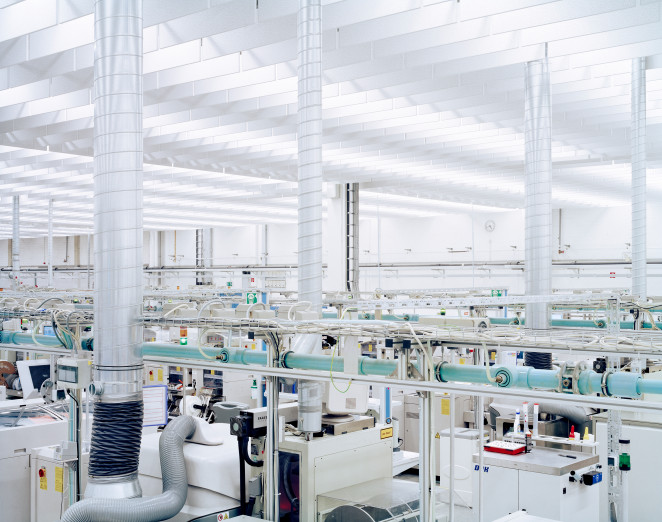 Mobile phone production
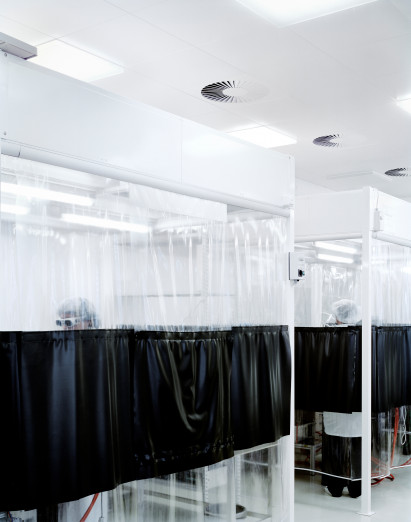 Medical laser testing
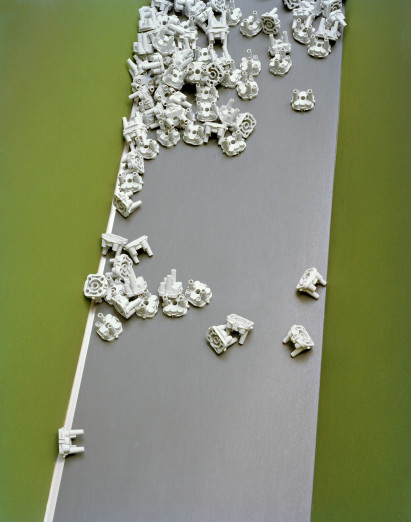 Components for light switches
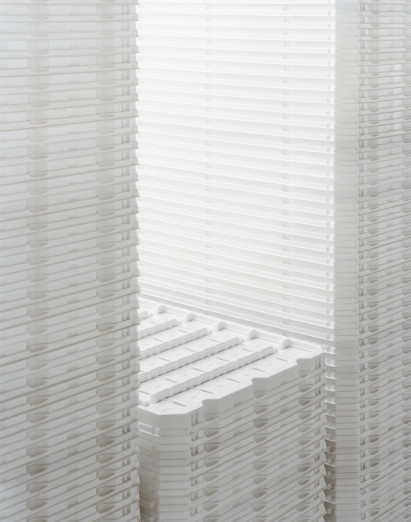 Sockets
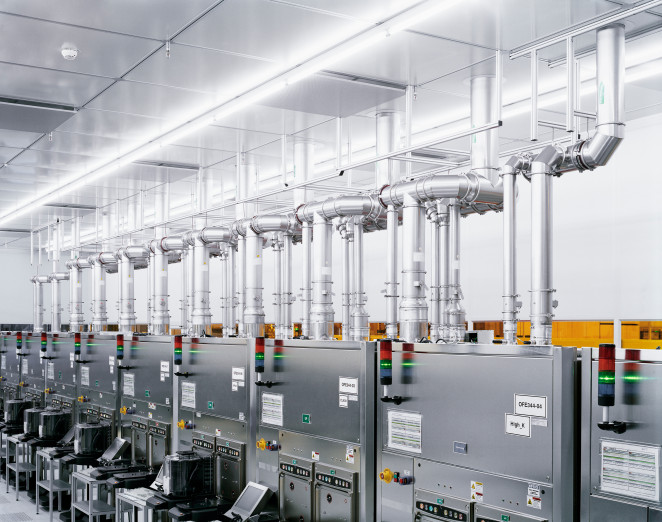 Thermal process, semiconductor
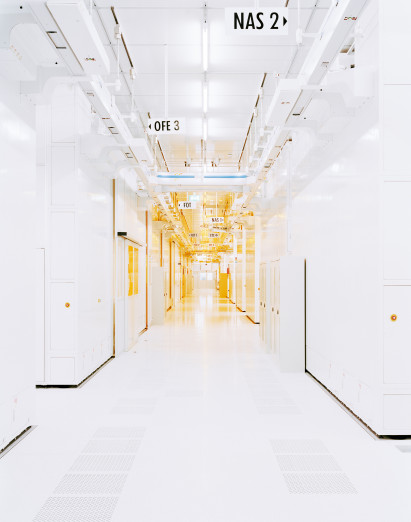 Semiconductor production
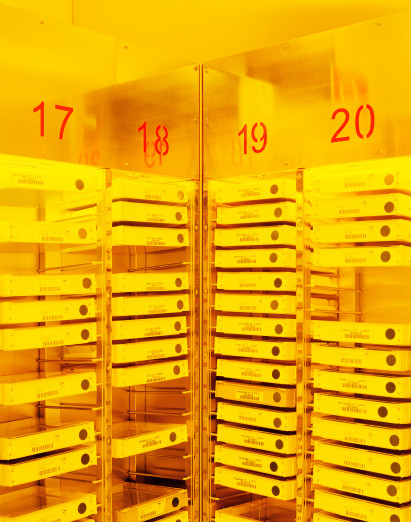 Exposure mask storage, semicondctor production
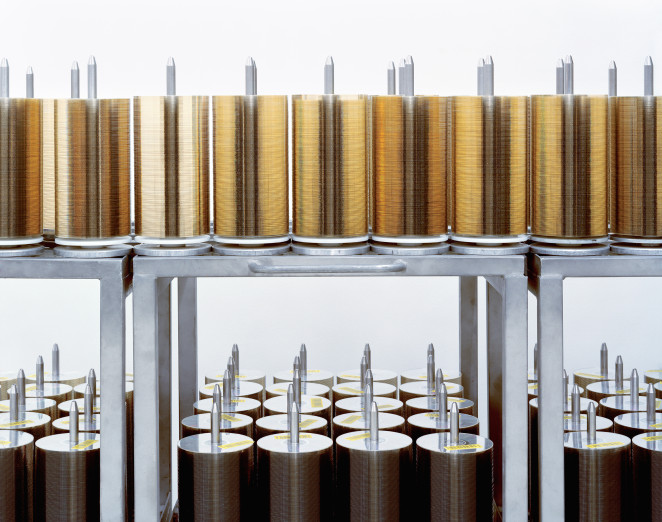 DVDs
DVDs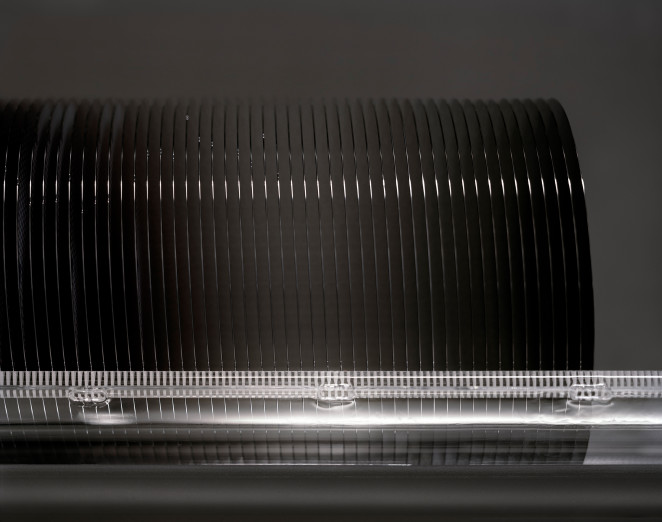 Silicon wafers, semiconductor production
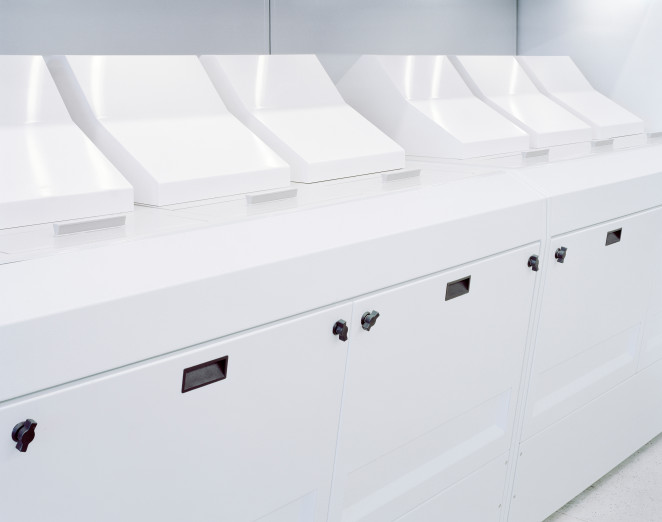 DVD production, electroplating
Global Soul
2002-2008In Goethe’s poem Weltseele (World Soul) we read: »Nun glühen schon des Paradieses Weiten/ in überbunter Pracht« (Now the expanses of Paradise already glow/ in over-colourful splendour). And what is it that animates our modern industrial society, what is its fiery nucleus? Henrik Spohler’s images provide a possible answer: machines. Over a period of six years he looked around high-tech factories, among endless assembly lines and strange apparatuses. What is manufactured in such places is seldom anything mysterious, but mostly mundane: beer, plasters, computer chips, frozen pizza. The merciless precision of Spohler’s photographs makes a lot more out of them than mere documentation: thanks to the choice of frame and with the help of light and coloration, plus careful digital post-processing, they take on a kind of hyper-reality, becoming a portrayal of the World Soul that is always fictional as well, constructed by the photographer. Yet they also reveal a principle: the factory as the wellspring of modernism, as a »metal uterus« (Bazon Brock), constantly giving birth to the new. In this global machine room, man is just a tiny, marginal figure – he may well have conceived and constructed that space, but only so as to no longer be required in it. Whether that is something to be regretted or whether it represents progress is an open question. And however detailed the photographs may be, they are never ideological. They document the great ambiguity of those »expanses of Paradise« which man has created for himself.
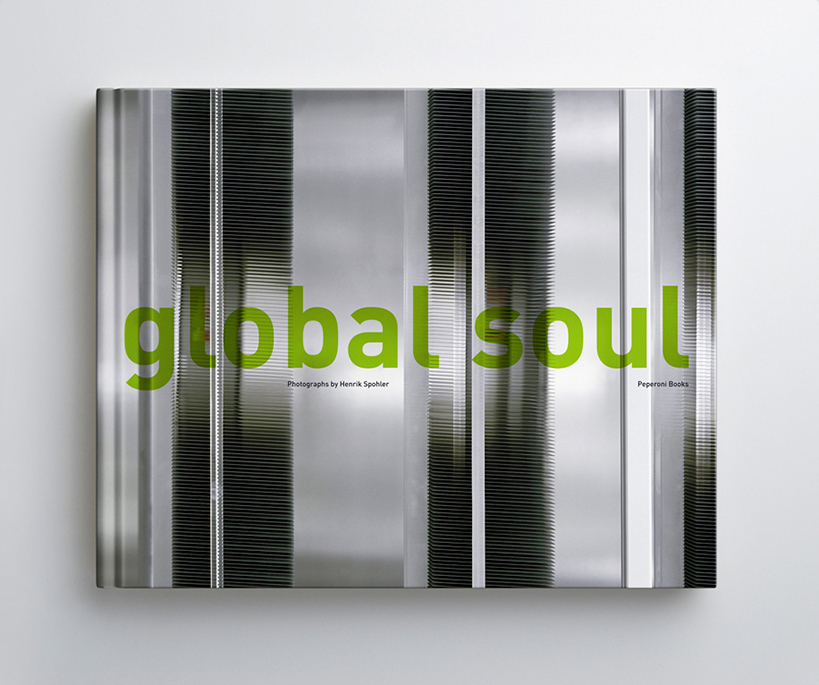
Peperoni Books, 2008, ISBN 978-3-9809677-9-2
Text: Christof Siemes (English/German)
Design: Hans Günter Schmitz
96 pages, 41 colour plates, hardcover, 30,5 x 24,5 cm,
peperoni-books.de